Best Time to Visit Morocco: A Practical Seasonal Guide

Choose your travel dates around the Morocco you want to see, from spring city walks to desert nights and summer days by the Atlantic.

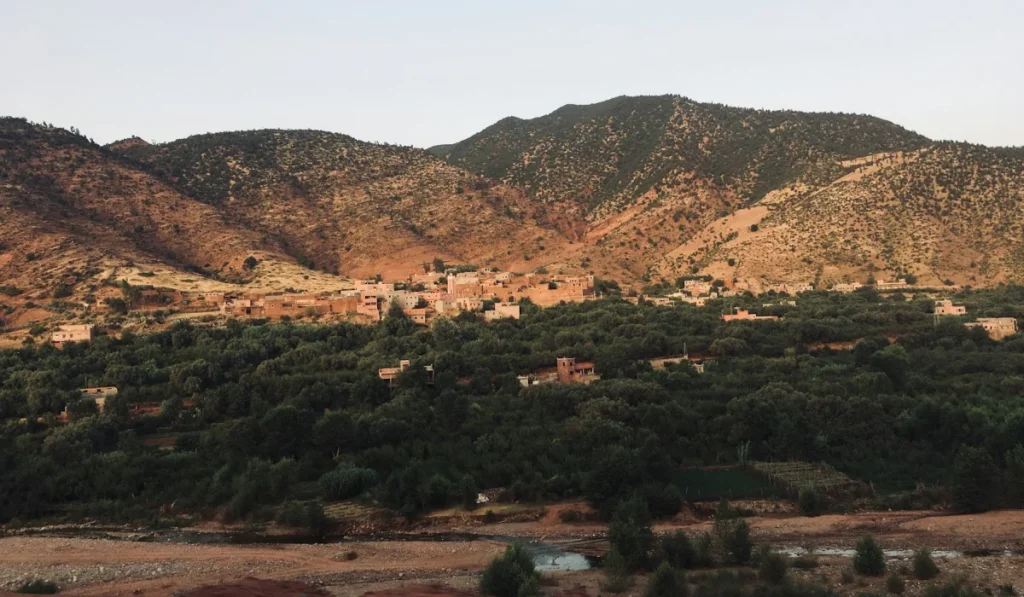
A Moroccan village and green trees below dry Atlas mountain slopes

The best time to visit Morocco depends on where you want to go. For a first trip combining Marrakech, Fes and the Sahara, spring and autumn are usually the easiest starting points. A beach holiday, a mountain walk and a night near the dunes can call for quite different plans.

Before booking flights, choose two or three experiences that matter most. Then build your route around the season. That approach is more useful than trying to find one perfect month for the whole country.

Choose your season at a glance

  • Cities and a varied road trip: consider March to May or September to November.
  • Sahara travel: spring and autumn are good starting points; prepare for cool evenings outside summer.
  • A summer holiday: give the Atlantic coast more space in your route.
  • Mountain time: match the specific walk to altitude, conditions and your experience.

Spring: a good fit for a first visit

Spring makes it easier to combine several regions without planning every activity around the hottest part of the day. You might spend a morning exploring Fes, follow the road south through the Middle Atlas, and finish the journey with a desert stay.

Pack layers rather than a suitcase of summer clothes. A sunny afternoon in Marrakech does not tell you how an early morning in the mountains will feel. For a longer trip, compare our Morocco itinerary ideas and allow room for a slower day between major transfers.

Summer: plan around the heat

If July or August is your only opportunity, you can still plan a rewarding trip. The important decision is the route. Inland sightseeing and desert activities can be demanding in the heat, so start early, take a proper afternoon break and avoid filling every day with outdoor visits.

Essaouira or an Atlantic stay can give your holiday a different rhythm. A shorter city visit followed by coastal time may suit you better than a long circuit through the interior. Ask your accommodation about cooling arrangements and check what is actually available at a desert camp before committing.

Autumn: cities, valleys and the Sahara

Autumn is another sensible window for a route linking the imperial cities with southern Morocco. September can still feel hot inland, so keep your programme flexible rather than assuming the whole season is mild.

Think about how you want to spend the desert portion. One camp night gives you a brief introduction; an additional night in the Merzouga area creates space for a quieter morning and optional activities. Our guide to choosing three or four days between Marrakech and Fes explains that trade-off.

Winter: sunny moments and colder evenings

Winter travel needs a little more preparation. Inland evenings can be cold, and snow can affect high mountain routes. Ask about heating in your riad or camp, carry a warm outer layer and allow flexibility when a journey crosses the Atlas.

A winter holiday does not need a rushed schedule. A few well-chosen bases, later starts when appropriate and time indoors between walks can be more enjoyable than chasing a long list of places.

What else should influence your dates?

School holidays, public holidays and major events can affect availability. Ramadan also changes some daily routines and business hours; confirm arrangements for your actual dates. Weather guidance describes typical patterns, not a forecast, so check conditions again before departure.

Once your dates are fixed, send us your arrival city, departure city and the experiences you care about. We can help shape a private Morocco tour around the time you have.

Common questions

Is there one best month for all of Morocco?

No. Choose by region and activity. A month that suits coastal relaxation may be less comfortable for long daytime walks in the interior.

Can I visit the Sahara in winter?

Yes, but plan for cold nights and confirm bedding, heating and the road itinerary with your operator.

Should I book my route before my accommodation?

It helps to agree the route first. This avoids booking nights in places that create unnecessary driving.

Seasonal references: Moroccan National Tourist Office climate guide and Royal Air Maroc seasonal overview. Route suggestions are our planning recommendations.
Morocco Itinerary for 10 Days: A First-Time Route That Makes Sense

A practical Casablanca-to-Marrakech route with time for Fes, the Sahara and the valleys, plus honest advice on what to leave for another trip.

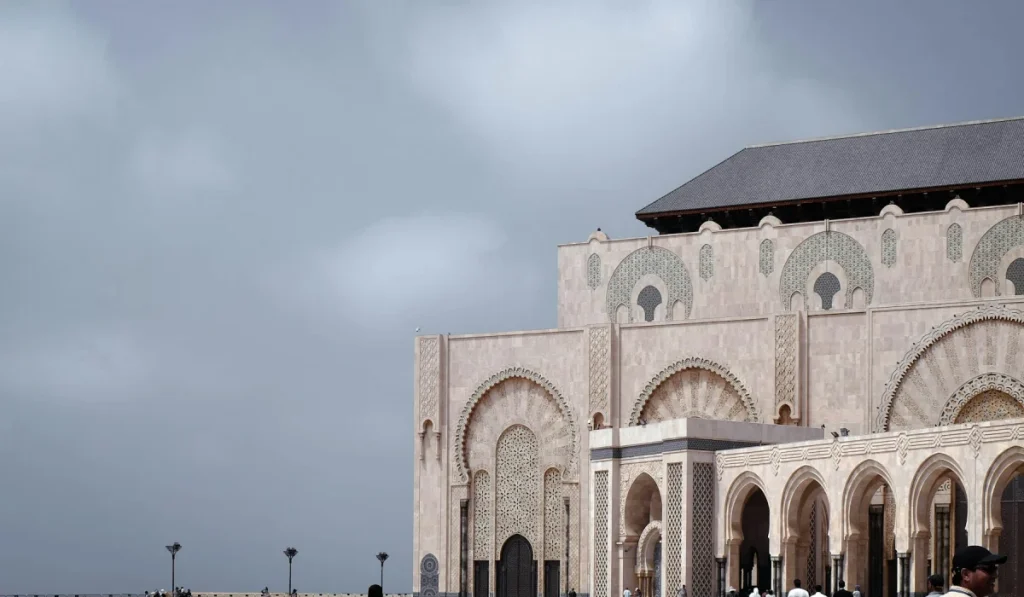
Hassan II Mosque in Casablanca, a starting point for a Morocco road trip

Ten days in Morocco can give you a satisfying mix of cities, mountain scenery and the Sahara. The key is to choose a route that moves in one direction and accept that a few days will involve substantial driving. Trying to add every famous place usually takes time away from the places you came to enjoy.

This suggested Morocco itinerary starts in Casablanca and finishes in Marrakech. It includes nine nights: two in Fes, two in the Merzouga area and three in Marrakech, with one each in Casablanca and Dades Valley. Adjust the first and last days around your flight times.

Your 10-day route at a glance

  1. Arrive in Casablanca and settle in.
  2. Travel through Rabat to Fes.
  3. Explore Fes with a local guide.
  4. Cross the Middle Atlas and Ziz Valley to Merzouga.
  5. Spend a slower day around the Sahara.
  6. Continue through Todra Gorge to Dades Valley.
  7. Travel via Ouarzazate and Ait Ben Haddou to Marrakech.
  8. Discover Marrakech with a local guide.
  9. Enjoy a flexible day in or near Marrakech.
  10. Transfer to the airport.

Days 1–3: Casablanca, Rabat and Fes

Keep arrival day light. If your flight lands early, you can discuss a short Casablanca visit; if it lands late, a meal and a comfortable night may be all you need. Avoid promising a major monument visit before knowing your arrival time and its opening arrangements.

On day two, break the journey north with a visit to Rabat, then continue to Fes. Adding Meknes and Volubilis on the same day creates a fuller programme, so choose your priorities rather than treating every stop as compulsory.

Give Fes a full day. Its UNESCO-listed medina rewards time on foot, and a local guide can help organise a route through the neighbourhoods, workshops and accessible monuments. Leave part of the afternoon open instead of turning the whole visit into a shopping schedule.

Days 4–5: the road to the Sahara and time to enjoy it

The Fes-to-Merzouga day is a long transfer. Mountain roads, meal breaks and sightseeing make a bigger difference than the distance alone suggests. Depart early and keep the stop list realistic.

Use the next day to slow down. Depending on your preferences and the agreed programme, you could explore nearby villages, arrange a desert excursion or simply enjoy time near the dunes. One night can be in a riad or hotel and the other in a camp; confirm the order before booking.

Ask how you reach camp, how luggage is handled and whether a vehicle transfer is available if you do not want to ride a camel. Read our Sahara packing guide before deciding what to carry overnight.

Days 6–7: Todra, Dades and Ait Ben Haddou

Continue towards Todra Gorge and spend the night in Dades Valley. A short walk and an unhurried lunch can be more memorable than several hurried photo stops. Tell your driver whether you prefer walking, scenery or architecture so the day reflects your interests.

The following day links the southern valleys with Marrakech. Ait Ben Haddou, recognised by UNESCO for its earthen architecture, deserves more than a roadside photograph. Allow time for the visit, then continue over the High Atlas. This is another substantial travel day, so keep the Marrakech evening simple.

Days 8–10: Marrakech and a little breathing room

Spend day eight exploring Marrakech with a local guide, with visits selected around opening hours and your interests. On day nine, choose between a relaxed city day and an excursion that fits the season. Keeping this day flexible is especially useful after several nights on the road.

Day ten is for departure. An early flight removes most sightseeing possibilities, while a late flight may leave time for breakfast and a final walk. Always plan the airport transfer first.

What about Chefchaouen or Essaouira?

Both can be worthwhile, but adding them changes the balance. For Chefchaouen, consider more days or reduce time elsewhere. For Essaouira, an overnight stay can be more rewarding than another long return excursion. Compare our longer Morocco itineraries before stretching this route.

Common questions

Is this a relaxed itinerary?

It has slower city and desert days, but also several long transfers. Tell us your comfort limit for driving before confirming.

Can the route run in reverse?

Yes. Flights and accommodation availability can make Marrakech-to-Casablanca more practical.

What should a quote include?

Ask for named accommodation or a clear category, room arrangements, meals, guide visits, transfers, activities and exclusions. Share your dates for a personalised route and quote.

Heritage references: UNESCO on the Medina of Fes and Ksar of Ait Ben Haddou. This day-by-day route is a suggested itinerary, not a fixed departure programme.

Marrakech to Fes Desert Tour: Should You Choose 3 or 4 Days?

Both routes can take you through the Atlas and Sahara. The difference is how much time you have to stop, settle in and enjoy the desert.

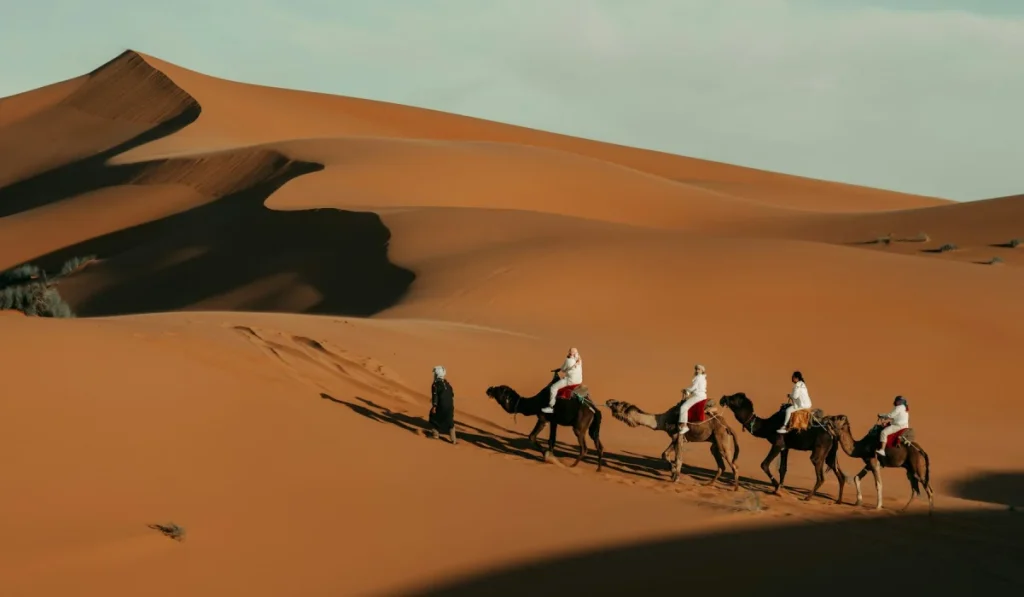
Travellers riding camels across sweeping Moroccan sand dunes

A Marrakech-to-Fes desert tour is a useful way to connect two very different cities while seeing the Atlas Mountains and the Sahara. Three days can work when your holiday is short. Four days gives you more room, provided the extra day is placed where you actually want it.

The question is not simply which tour visits more places. It is how much of each day you want to spend travelling and whether the desert is a brief overnight stop or a major part of your holiday.

The main difference

  • Choose three days if your dates are fixed, you accept long road days and one camp night meets your expectations.
  • Consider four days if you want a second night around Merzouga, more flexible stops or a less compressed visit.
  • Check the actual itinerary because an extra day does not automatically shorten the longest transfer.

What a three-day tour usually looks like

Day 1: Marrakech to Dades Valley

The road crosses the High Atlas towards Ait Ben Haddou and Ouarzazate, then continues towards Dades Valley for the night. This is a full day: the mountain crossing, visits and meal stops all need time. An early departure helps, but it does not turn the journey into a short transfer.

Day 2: Dades to Merzouga

Travel towards Todra Gorge and continue to the Merzouga area. The exact stops should leave enough time for your agreed camp transfer. If sunset matters to you, ask how the schedule changes with the season instead of assuming the same arrival time works year-round.

Day 3: Merzouga to Fes

After the desert stay, the route heads north through the Ziz Valley and Middle Atlas towards Fes. This is a substantial driving day. Plan a simple evening on arrival and avoid booking a tightly timed dinner or onward connection without discussing the transfer.

See the full three-day Marrakech-to-Fes desert itinerary to compare the stops with your expectations.

What the fourth day can add

A useful four-day version may retain the Dades overnight and add another night in the Merzouga area. That gives you a morning without immediately packing for Fes, plus time for an optional excursion or a quiet afternoon.

However, this version still has a long final drive. If shorter daily driving is your main goal, say so clearly. Your route may need a different overnight stop or more than four days. The best arrangement depends on whether you care most about extra desert time or shorter transfers.

Browse private tours from Marrakech and compare the written overnight locations, rather than relying on the number of days in the title.

Questions to ask about the camp

Camp descriptions can be broad. Ask whether your tent has a private bathroom, what bedding is supplied, whether heating or cooling is available and when electricity is provided. Confirm which meals and drinks are included.

Also ask about the transfer. A camel ride should suit your comfort level; request a vehicle alternative if needed. Confirm luggage arrangements and the meeting point for the next morning. Our desert packing checklist covers the small bag you may want for camp.

Which option suits your travel style?

For travellers who mainly want a scenic connection between Marrakech and Fes, three days can be a practical choice. For honeymooners, photographers and families who want more time near the dunes, four days is often worth considering.

If anyone in your group finds mountain roads tiring, the overnight plan matters more than a long attraction list. Read our family travel guide for ways to build breaks and slower mornings into the route.

Common questions

Can I do this route as a day trip?

This multi-region route needs overnight stops to be a worthwhile sightseeing journey. Choose a closer excursion if you only have one day.

Is a private tour worth considering?

A private trip lets you discuss your own stops and accommodation preferences, though road distances still determine much of the schedule.

Can I start in Fes instead?

Yes. Look at tours from Fes if that direction fits your flights better.

Ask us which route fits your dates

Merzouga, Zagora or Agafay: Which Morocco Desert Trip Fits You?

Choose your desert trip by the landscape you want and the time you have, with a clear distinction between Sahara dunes and a short escape from Marrakech.

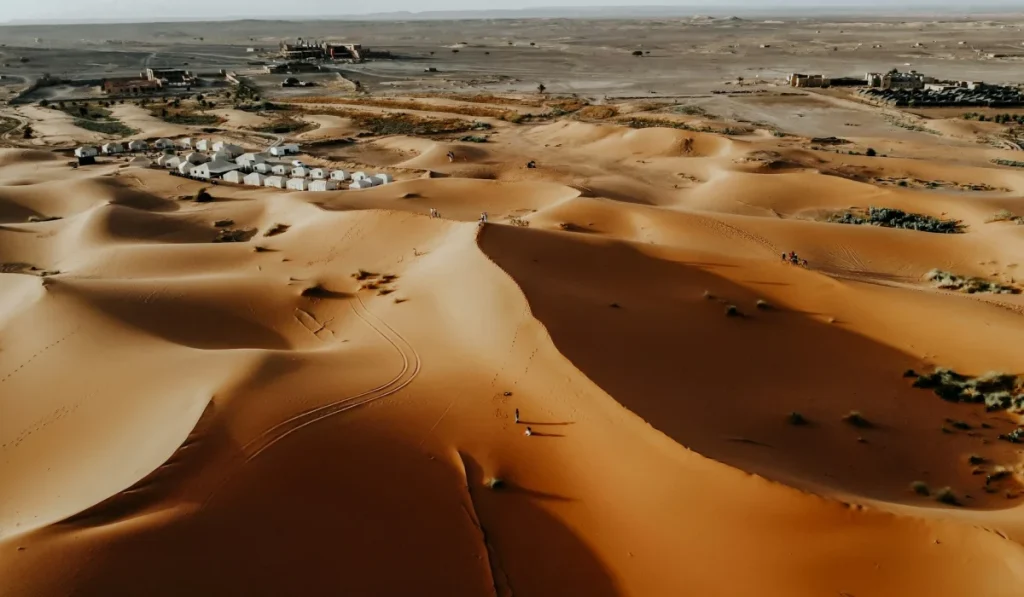
Sand dunes and camp tents in the Merzouga desert in Morocco

When you search for a Morocco desert tour, Merzouga, Zagora and Agafay often appear together. They are different journeys. Choosing between them starts with two questions: do you want large sand dunes, and how much of your holiday can you give to reaching them?

A beautiful camp photograph does not tell you how far you will travel or what lies outside the tent. Look at the location, landscape and overnight stops before comparing prices.

The short answer

  • Merzouga: consider it for the sand dunes of Erg Chebbi and a multi-day Sahara journey.
  • Zagora: consider the southern valleys and desert-edge landscapes, while checking exactly where the camp is located.
  • Agafay: consider it for an arid, rocky landscape near Marrakech when you have limited time.

Agafay is not a substitute for the Sahara’s large dunes. It can still be a rewarding choice when you want an evening outside the city without a journey across southern Morocco.

Merzouga: when the dunes are the priority

Merzouga is associated with Erg Chebbi, where dunes are the main reason many travellers make the journey. It fits well into a route connecting Marrakech and Fes, or a longer circuit through Morocco.

The travel commitment matters. From Marrakech, allow a multi-day itinerary with worthwhile overnight stops on the way. Three days is a compact option; additional time can make space for a second night near the desert and less hurried visits.

If this is the experience you have in mind, compare our Marrakech-to-Merzouga tour with the Marrakech-to-Fes route comparison. Finishing in a different city may suit your wider holiday better than returning to your starting point.

Zagora: ask about the exact destination

A trip towards Zagora introduces you to a different part of southern Morocco, with the Draa Valley an important part of the journey. The name alone does not describe the campsite or guarantee towering dunes beside it.

Ask your operator to name the camp area and show recent photographs of its surroundings. If you are considering Erg Chigaga, discuss that as a separate route with its own access arrangements and timing. Do not assume every tour sold under Zagora reaches the same dunes.

A short overnight programme can involve more road time than you expect. Read the day-by-day plan and decide whether the valleys, villages and stops on the way are part of the appeal for you.

Agafay: a shorter escape from Marrakech

Agafay suits travellers who are staying in Marrakech and want time in an open, dry landscape nearby. It may be possible to arrange an evening visit or an overnight stay, depending on the programme you select.

Compare the experience itself: camp setting, meal arrangements, group size, transfers and any activities. A short visit should leave enough time to enjoy the place rather than hurry through several add-ons. If you want silence or a private occasion, ask about music and other groups before booking.

How to choose without disappointment

Start with the photograph you have in mind. If it is a walk among large dunes, prioritise a route that actually reaches them. If it is dinner outdoors during a city break, a closer option may be more practical.

Then work backwards from your departure flight. A desert overnight should not leave you relying on a rushed long-distance return immediately before check-in. Keep a buffer, and tell your planner about any fixed bookings.

Common questions

Which option is best for a first visit?

It depends on your available days. Merzouga can be a strong choice for a longer route; Agafay fits a shorter Marrakech stay. Zagora needs a close look at the actual programme and campsite.

Will every camp have the same facilities?

No. Confirm bathrooms, bedding, electricity, heating or cooling, meals and transfers individually.

Can we skip camel riding?

Ask for the alternative before booking. Transfer options and any extra cost should be clear in your quote.

Tell us how much time you have, and we can help choose a desert journey that fits.

Destination background: the Moroccan National Tourist Office desert guide. The comparisons above are planning advice; individual tour arrangements vary.

Morocco with Kids: How to Plan a Family Trip Everyone Can Enjoy

Give your family trip room to breathe with fewer hotel changes, thoughtful road breaks and activities chosen around your children’s ages.

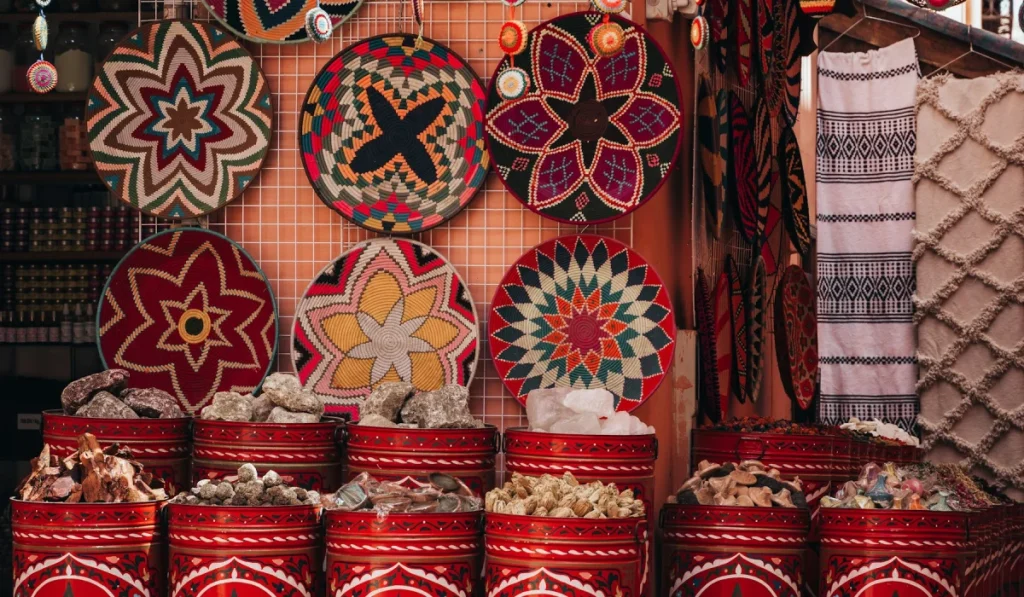
Colourful spices and crafts displayed at a Moroccan market stall

A good Morocco family holiday starts with the pace. Children may remember trying a new breakfast, choosing something in a market or playing on a beach as clearly as a famous monument. Leave room for those moments when you plan the route.

Before deciding how many cities to include, think about your children’s ages, sleep routines and comfort with driving. A private vehicle gives you flexibility to discuss breaks, but it cannot remove the distance between Marrakech, Fes and the Sahara.

Choose fewer bases

For a week with younger children, consider one main city and one contrasting place, such as Marrakech and Essaouira. This creates time to settle into your accommodation and explore without repacking every morning.

A possible seven-day outline is three nights in Marrakech, two nights in Essaouira and a final night in Marrakech before departure. Use the city days for short visits, a garden or an activity suited to your children. Use the coastal stay for a slower rhythm rather than another packed sightseeing programme.

This is a planning example, not the only good family route. If your flights arrive in the north, choose bases there instead of adding a cross-country transfer just to follow someone else’s itinerary.

Should you include the Sahara?

A desert stay can be a memorable part of a family holiday, but the road journey deserves careful thought. If the dunes are a priority, give that part of the trip enough days and explain any motion sickness or driving limits when requesting a route.

Ask how the camp is reached, whether there is a vehicle alternative to camel riding, and what the tent and bathroom arrangements are. Children should not have to take part in an activity simply because it appears in the package description.

Compare the landscapes first with our Merzouga, Zagora and Agafay guide. A closer outing may suit a short holiday better; a longer Sahara journey may suit a family with more time.

Ask practical questions about family accommodation

A room described as suitable for four people may have a layout that does not work for your family. Ask about actual beds, connecting rooms, stairs, cots and bathroom access. Confirm where your vehicle can stop and whether there is a walk with luggage to reach the accommodation.

If a pool is important, ask about its opening arrangements and supervision. For small children, also ask about barriers, balconies and roof terraces so you can decide whether a property is suitable. A photograph alone cannot answer these questions.

Make sightseeing days shorter

One focused visit in the morning followed by lunch and a break is often easier than a full-day monument circuit. Give children a reason to engage: looking for tile patterns, choosing fruit or watching a craft being made can make a walk more interesting.

Discuss workshop suitability, minimum ages and the duration before booking. For market visits, agree on meeting points and keep your group together. Ask permission before photographing people and avoid treating everyday neighbourhood life as a performance.

Plan the vehicle around your family

Share every child’s age and the number of bags when arranging transport. Request suitable child restraints in advance and have the provider confirm what will be supplied. Do not leave this detail until pickup.

Break long journeys with useful stops and carry water, snacks, spare clothes and something familiar for quiet moments. If a day is already a major transfer, reduce the number of optional visits rather than expecting children to manage everything on the list.

Keep meals and routines flexible

Tell your planner and accommodation about allergies or specific dietary needs before arrival, and confirm directly what they can provide. Avoid assuming a kitchen can guarantee an arrangement without checking.

Choose meal times that work for your family, carry familiar snacks and leave space for an early night when needed. Planning around your children does not make the trip less interesting; it makes it easier for everyone to enjoy the interesting parts.

Common questions

Do children pay the adult tour price?

Ask for a quote based on their exact ages, room sharing and activities. Child prices vary by accommodation and programme.

Is a stroller useful?

It depends on the route. Steps and uneven lanes can make some medina walks awkward, so discuss access and alternatives.

How do we request a family route?

Visit our special trips page or send your dates, children’s ages and preferred pace. Include what your family enjoys and what you would rather avoid.

Morocco Desert Tour Packing List: What to Bring for the Sahara

A straightforward Sahara checklist, including layers, a small camp bag and the questions to ask before you pack your main suitcase.

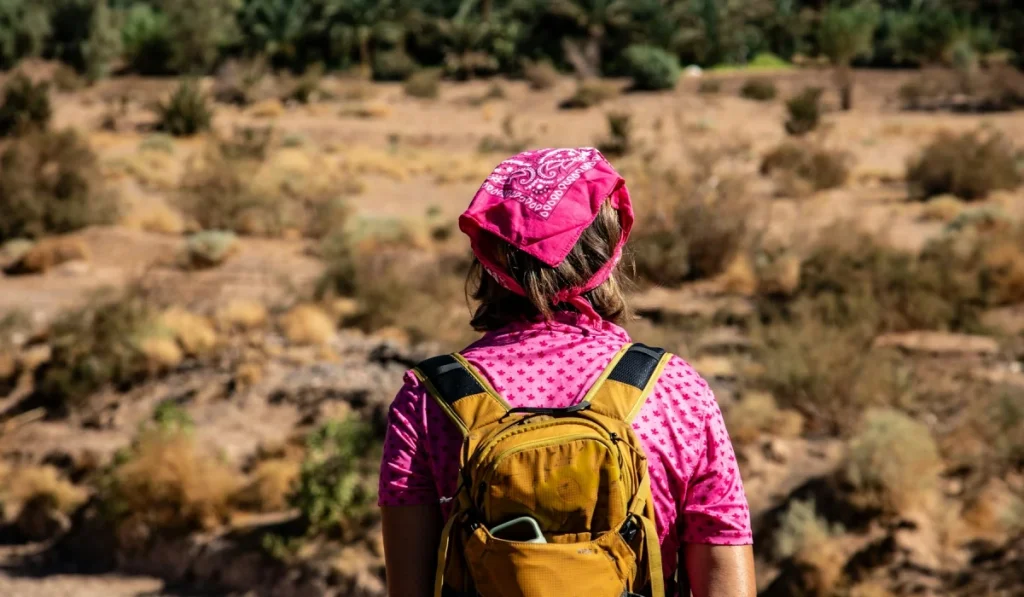
A traveller carrying a backpack while looking across an arid Moroccan landscape

For a Morocco desert tour, pack for the whole journey rather than the dunes alone. Your route may include a city departure, mountain roads, valley stops and a night at camp. Clothes that work together in layers are more useful than a separate outfit for every possible activity.

Start by asking your operator what happens to your main luggage and what your camp provides. Some travellers need only a small overnight bag at camp; arrangements vary, so confirm this before you leave your accommodation.

The essential packing checklist

  • A small overnight bag and a comfortable day bag.
  • Light, breathable clothing and long trousers.
  • A warm layer for early mornings and evenings.
  • Comfortable closed shoes with a useful grip.
  • A sun hat, sunglasses and sunscreen.
  • A reusable water bottle and a plan for drinking-water refills.
  • A phone charger, power bank and suitable adapter.
  • A small torch or headlamp.
  • Personal toiletries and any regular medication.
  • A bag or cover to protect electronics from dust.

What to wear during the day

Choose loose clothing that is comfortable for sitting in a vehicle and walking at stops. Long trousers can be practical for a camel ride, and a light long-sleeved shirt gives you another option for covering up outdoors.

Comfortable closed shoes are useful on uneven ground. You can pack sandals for relaxing if you like, but do not make them your only footwear. Choose clothes you are happy to get a little dusty rather than an outfit that needs special care.

What to bring for a camp night

Evening conditions change by season, and desert nights can feel very different from the afternoon. Bring an insulating layer for cooler months and ask whether the tent has heating. In warm weather, ask about ventilation or cooling instead of assuming all camps provide it.

Confirm bedding, towels and bathroom arrangements before adding bulky extras. A torch is useful for moving around after dark even when a camp has lighting. Keep essential items together so you do not need to search several bags at bedtime.

For timing your trip, read our seasonal Morocco guide and check the forecast close to departure.

What goes in your small overnight bag?

Pack a change of clothes, toiletries, your warm layer, chargers and anything you need during the night. Keep medication and valuables with you. If your main suitcase stays with the vehicle or at a meeting point, confirm who is responsible for it and when you will collect it.

Ask how long any camel ride lasts and what you can comfortably carry. If you prefer a vehicle transfer, arrange it before arrival. The small-bag advice should follow your actual transfer plan.

Phones, cameras and charging

Dust is easier to keep out than remove. Use a protective pouch or bag, avoid changing lenses in blowing sand and pack a soft cleaning cloth. Keep your phone or camera secure during activities rather than balancing it loosely while moving.

Charge devices before leaving your accommodation and bring a power bank. Ask when camp electricity is available and whether charging points are in your tent or shared. If photography is a priority, explain this before the trip so the schedule can allow time for it.

Money, documents and useful small items

Keep booking details and pickup instructions available offline. Carry a little cash for personal purchases and agreed extras, while checking what your tour price already includes. Do not rely on every stop accepting a card.

Tissues, hand sanitiser, lip balm and a light scarf can be convenient. Pack personal medication in your hand luggage and follow your clinician’s advice for any individual travel needs. Leave expensive jewellery and unnecessary equipment behind.

What you probably do not need

A large hard suitcase for a single camp night, several pairs of shoes and bulky equipment supplied by the camp can make the journey awkward. Start with the confirmed packing information, then add the few things that make you comfortable.

Choose a route as carefully as you choose your bag. Our three-day versus four-day desert guide explains the pace, while our private Morocco tours show the wider options.

Common questions

Do I need a sleeping bag?

Ask the camp what bedding is included and whether it suits the expected overnight conditions.

Can my suitcase travel with me?

Usually there will be an agreed luggage arrangement, but confirm space, storage and camp access with your operator.

Can you send a packing list for our dates?

Yes. Tell us your route and travel month, and ask for advice based on the accommodation and transfers in your programme.